
How To Choose Fresh Fruits
A practical guide to judging fruit with your hands, eyes and nose before you buy — written from what we see across the counter every day in West Patel Nagar.
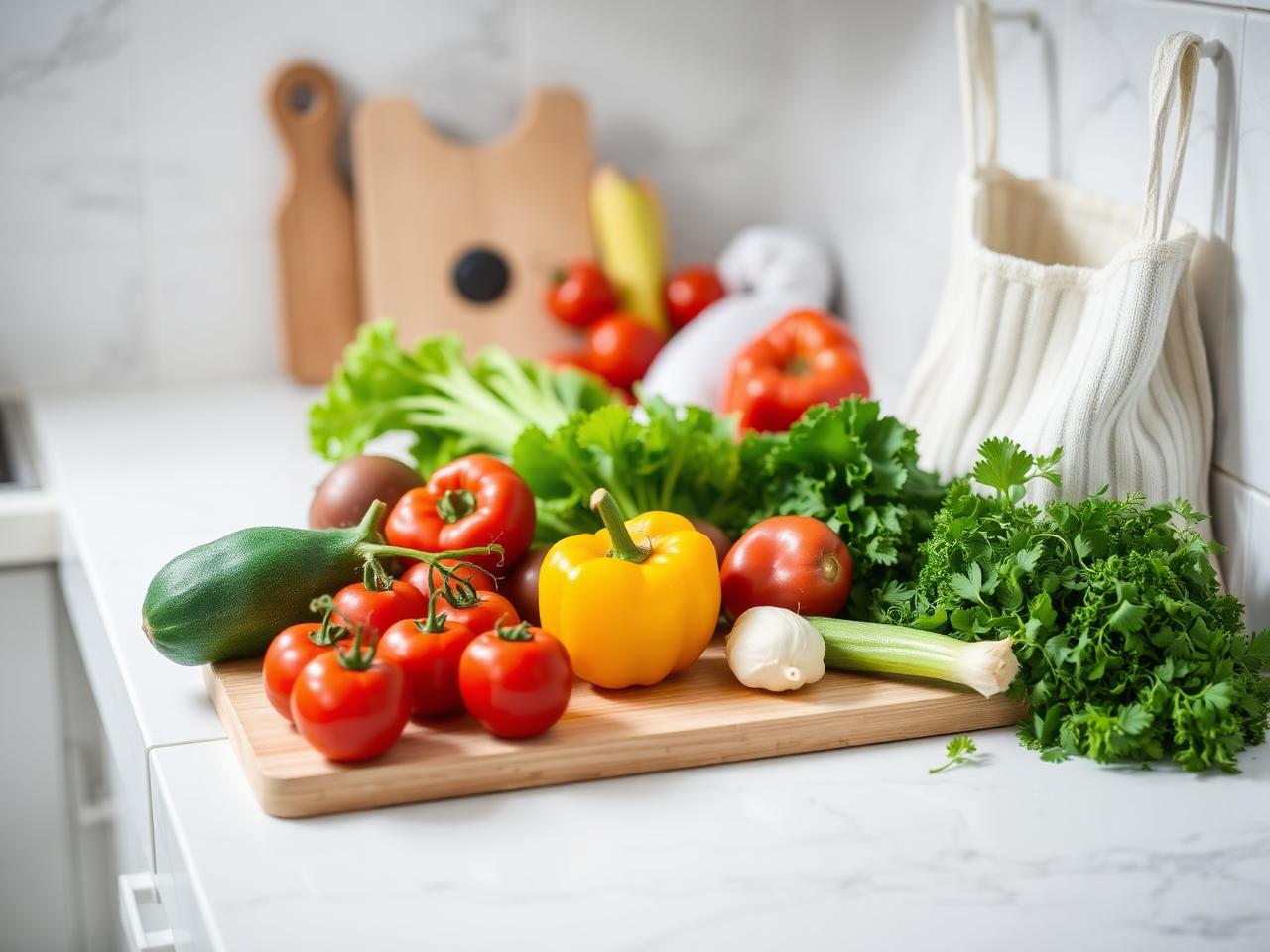
A practical guide to judging fruit with your hands, eyes and nose before you buy — written from what we see across the counter every day in West Patel Nagar. Everything below comes from daily experience running a produce counter at T-187, Block B, near Lal Mandir Sabji Market in West Patel Nagar, New Delhi — not from theory.
Start with weight, not colour
The single most reliable test for most fruit is weight. A fruit that feels heavier than it looks is holding water and sugar; a light one has usually been sitting somewhere warm and losing moisture for days. Pick up two oranges of the same size and you will feel the difference immediately — the heavier one will almost always be juicier.
Colour is the test most people rely on and the easiest one to be fooled by. Mangoes can be ripened artificially to a uniform yellow while the flesh inside is still sour and fibrous. Apples can look brilliant red and be mealy. Treat colour as one signal among several, never as the deciding one.
Use your nose at the stem end
Ripening fruit gives off aroma, and the strongest aroma is at the stem end where the fruit was attached to the plant. A ripe mango, a ripe pineapple and a ripe melon all smell sweet at that point. If there is no smell at all, the fruit was picked early and will soften without ever developing full flavour.
The opposite signal matters too. A fermented, alcoholic or sour smell means the fruit has gone past ripe into spoilage, even if the skin still looks fine. Trust your nose over the display lighting.
Check the skin and the stem
Skin should be taut. Wrinkling near the stem on apples, guavas or capsicum-like fruits means moisture loss, which is a direct measure of how long the item has been off the tree. Split skins, weeping patches and dark sunken areas are all points where spoilage has already begun and will spread within a day.
For bunched fruit like grapes, the stem tells you more than the berries. Green, flexible stems mean recent harvest. Brown, dry, brittle stems mean the bunch has been handled several times, and berries will start dropping as soon as you get home.
Handle gently, and expect the shop to do the same
Fruit bruises under pressure and the damage often shows only a day later. When you press, press once, softly, with the pad of your thumb near the base — not with fingertips all over the fruit. If a shop lets customers squeeze hard through the whole crate, the fruit at the bottom of that crate is already damaged.
How produce is stacked at the shop tells you a lot. Mangoes laid in single layers, bananas hung rather than piled, and grapes in shallow trays are all signs that someone is paying attention. Deep piles of soft fruit are a sign that nobody is.
Buy for when you will actually eat it
One of the most common mistakes is buying everything at eating-ripeness on the same day. If you buy five days of fruit, buy a mix: some ready today, some two days away. Bananas make this easy because a hand often carries several stages at once.
Tell the shopkeeper how you plan to use the fruit. Fruit for juicing, fruit for a lunchbox and fruit for guests on Sunday are three different purchases, and any counter that knows its stock can point you at the right crate for each.
Seasonality is the shortcut to quality
In-season fruit is fresher, cheaper and better handled simply because there is more of it moving. In Delhi that means guava and oranges in winter, mangoes and watermelon in summer, and papaya and bananas as steady all-year items. Out-of-season fruit has usually spent time in cold storage, and cold storage costs both money and flavour.
If you are not sure what is genuinely in season this week, ask. Our guide to seasonal fruits for Delhi sets out the calendar month by month, and at the counter we will simply tell you which crate is worth your money today.
Where to buy in West Patel Nagar
All of this is easier when the shop you buy from is turning stock over quickly. Our counter is sorted by hand every morning, we buy in small lots several times a week, and we tell customers plainly when something is not at its best. Browse our fresh vegetables and fresh fruits ranges, or see the full product list.
We serve West Patel Nagar, Patel Nagar, Shadipur, Rajendra Place, Kirti Nagar, Naraina and other nearby areas. To check today's fresh produce availability, call 8757534184 or contact the shop.
More guides
Frequently Asked Questions
What is the simplest first step for choosing fruit?
The single most reliable test for most fruit is weight. A fruit that feels heavier than it looks is holding water and sugar; a light one has usually been sitting somewhere warm and losing moisture for days. Pick up two oranges of the same size and you will.
Does buying locally really make a difference?
Yes. Less time between the counter and your kitchen means less wilting and less waste, which is why customers in West Patel Nagar and nearby colonies buy little and often.
How do I check what is fresh at your shop today?
Call 8757534184 or send a WhatsApp message. We will tell you honestly what came in this morning and what to wait on.
Do you publish prices?
No. Fresh produce rates change daily with the market, so we quote today's rate on request rather than advertising fixed prices.
Put this into practice today
Call or WhatsApp us for today's fresh produce availability in West Patel Nagar.